
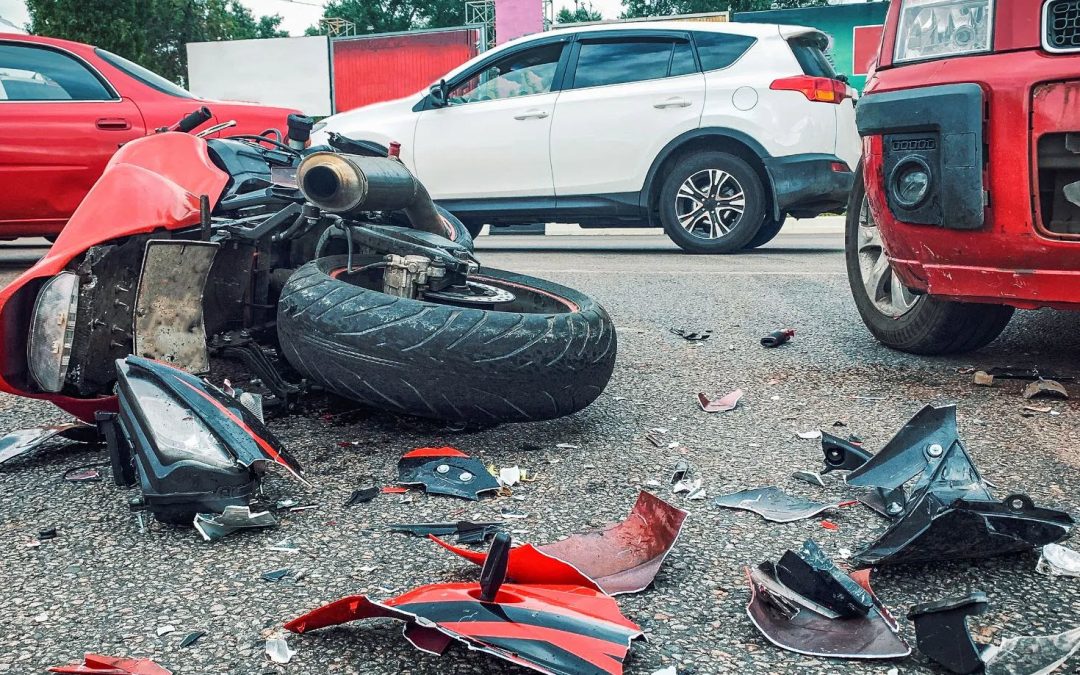
Motorcycle crashes increase sharply across Nebraska every year once temperatures rise and riders return to the road. From Lincoln to Omaha to rural highways throughout the state, spring and summer consistently bring a noticeable increase in serious motorcycle accidents.
This guide explains why the riding season becomes so dangerous, which crash patterns Nebraska riders should understand, and which factors contribute most to serious motorcycle injuries during the warmer months.
Why Do Motorcycle Accidents Increase During Riding Season?
The increase in motorcycle crashes during spring and summer is not random. Several seasonal factors combine to create significantly higher risks once riders return to Nebraska roads.
Riders Are Returning After Months Off the Road
Many Nebraska riders store their motorcycles during the winter months.
When spring arrives, riders often return to the road after several months without riding regularly. Skills such as emergency braking, cornering judgment, traffic scanning, and hazard awareness may not feel as sharp early in the season.
This contributes to a higher number of single-vehicle crashes during early spring, especially involving:
- Curves taken too quickly
- Sudden braking mistakes
- Loss of control on uneven pavement
- Overcorrection during emergency maneuvers
Even experienced riders often need time to rebuild their riding rhythm after a long winter break.

Drivers Are Less Accustomed to Seeing Motorcycles
Motorcycles become much less visible to drivers during winter because so few are on the road.
When motorcycles suddenly reappear in March and April, many passenger vehicle drivers are simply not looking for them yet. This contributes heavily to intersection crashes and left-turn accidents.
One of the most common serious motorcycle collisions occurs when:
- A driver turns left at an intersection
- The driver fails to notice an approaching motorcycle
- The rider has little or no time to avoid impact
These crashes often cause catastrophic injuries because riders have little physical protection during impact.
Spring Road Conditions Create Additional Hazards
Nebraska winters are extremely hard on road surfaces.
Spring often brings:
- Potholes
- Loose gravel
- Uneven pavement
- Cracked road edges
- Construction zones
- Standing water from spring rains
Hazards that may barely affect a passenger vehicle can instantly destabilize a motorcycle.
Rural roads and highways outside Lincoln and Omaha frequently become especially dangerous during early riding season because winter damage may not yet be fully repaired.
Which Months Are Most Dangerous for Nebraska Riders?
Motorcycle crash data consistently shows clear seasonal trends across Nebraska.
May Through August Brings the Highest Crash Rates
The majority of serious motorcycle crashes occur between May and August.
Several factors contribute to this increase:
- Higher motorcycle traffic volume
- Increased tourism and travel
- Weekend recreational riding
- Larger group rides and events
- More nighttime riding activity
Warmer weather naturally puts more motorcycles on the road, increasing overall exposure and collision risk.
Fall Riding Still Carries Serious Risks
Although summer produces the highest number of crashes overall, fall riding also presents significant dangers.
During September and October, riders face:
- Reduced daylight hours
- Cooler pavement temperatures
- Morning frost
- Wet leaves reduce traction
- Lower visibility during dusk commuting hours
Weekend rides remain popular deep into fall, especially throughout eastern Nebraska and scenic rural routes.
Different Risks Appear at Different Times of Year
Crash patterns also shift throughout the riding season.
Early-season crashes often involve:
- Rider inexperience after winter
- Driver inattention
- Road condition hazards
Late-season crashes more frequently involve:
- Reduced visibility
- Fatigue
- Higher-speed recreational riding
- Alcohol-related collisions
Understanding seasonal patterns helps riders better anticipate risks throughout the year.
What Causes Most Serious Motorcycle Crashes in Nebraska?
Although every accident is unique, several causes appear repeatedly in Nebraska motorcycle collision investigations.
Driver Inattention and Failure To Yield
The most common cause of serious motorcycle crashes remains driver inattention.
Drivers may:
- Fail to check blind spots
- Misjudge motorcycle speed
- Look directly at a motorcycle, but fail to register it
- Turn left into an oncoming rider
Because motorcycles are smaller than passenger vehicles, visibility issues remain a major safety problem.
Speed and Aggressive Riding
Speed significantly increases the severity of injuries in motorcycle crashes.
Higher speeds reduce reaction time and make it more difficult to recover from road hazards or driver mistakes.
Aggressive riding behaviors may include:
- Excessive speeding
- Unsafe lane changes
- Rapid weaving through traffic
- Risky passing maneuvers
Nebraska law also prohibits lane splitting, and violations may complicate injury claims following crashes.
Dangerous Road Conditions
Road hazards contribute to a surprisingly large number of motorcycle accidents.
Common hazards include:
- Gravel
- Railroad crossings
- Uneven pavement
- Construction debris
- Potholes
- Poor drainage
Motorcycles react much differently to these hazards than larger vehicles do.
Riders traveling on rural Nebraska roads should remain especially cautious after rainstorms or during road construction season.
Why Early Legal Guidance Matters After a Motorcycle Accident
Motorcycle accidents often result in severe injuries involving:
- Traumatic brain injuries
- Spinal cord injuries
- Multiple fractures
- Road rash requiring skin grafts
- Permanent disability
Insurance companies frequently attempt to shift blame onto riders, even when another driver caused the collision.
We help injured riders investigate crashes, preserve evidence, evaluate liability issues, and protect their ability to pursue compensation for medical costs, lost wages, and long-term injuries.
Acting quickly matters because important evidence may disappear fast, including:
- Surveillance footage
- Witness memories
- Physical roadway evidence
- Vehicle damage documentation
Nebraska generally allows four years to file a personal injury lawsuit after a motorcycle accident, but waiting too long can significantly weaken the case.
Frequently Asked Questions
When does motorcycle accident season usually begin in Nebraska?
Motorcycle crash rates typically begin increasing in March and April as temperatures rise and riders return to the road. The highest crash volume generally occurs between May and August.
Why are motorcycle crashes more common in spring?
Early riding season brings several risks at once, including riders returning after months off the road, drivers not yet expecting motorcycles in traffic, and dangerous spring road conditions such as gravel and potholes.
What should I do after a motorcycle accident in Nebraska?
After a crash, seek medical attention immediately, contact law enforcement, document the scene if possible, and avoid discussing the accident with insurance companies before understanding your legal rights fully.